Friday, January 20, 2017

Maquipucuna Cloud Forest

The third segment of our Ecuador trip started on a sour note. When I settled into my airplane seat for the flight from the Galapagos back to Quito, I pinched a nerve in my lower back, which sent piercing pain down my leg. Henceforth, the remainder of the trip, for me, was clouded by excruciating pain and very limited mobility. Luckily I managed to enjoy it nonetheless!


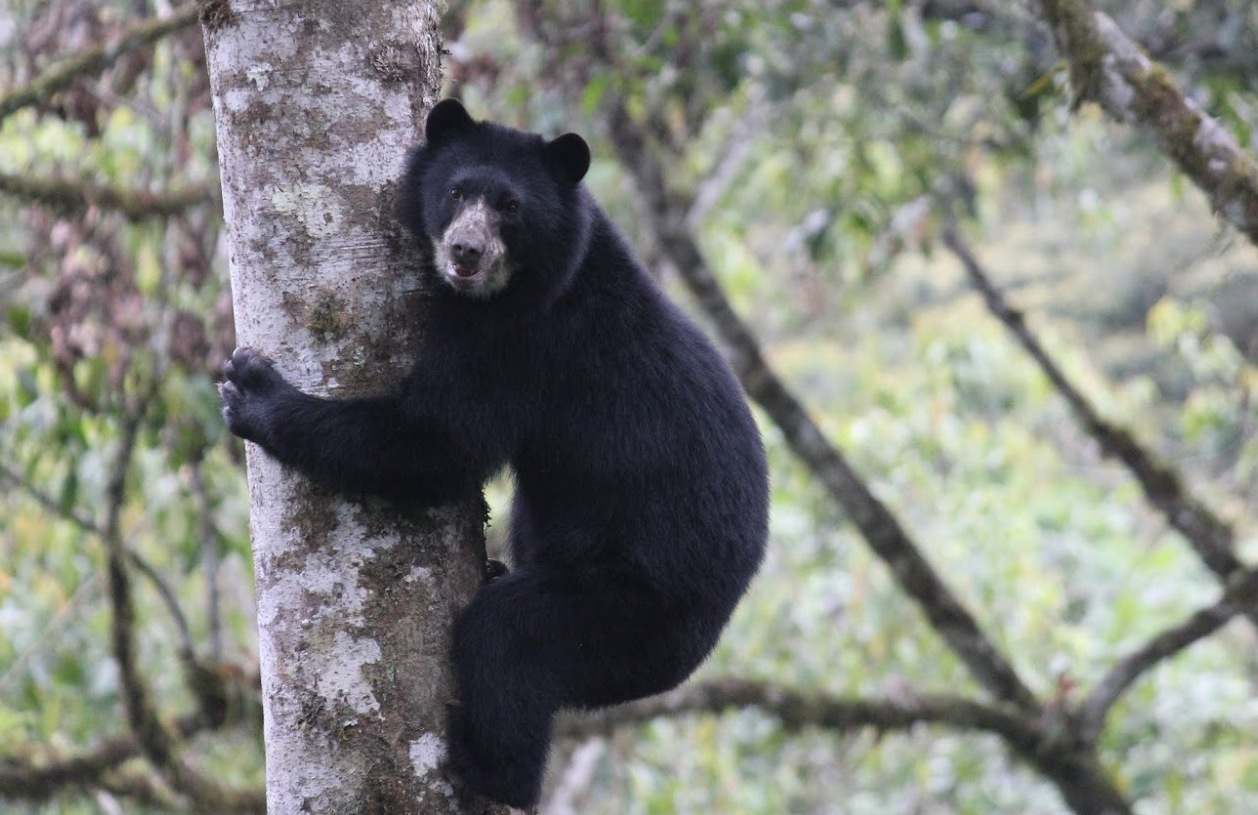
Our next stop was the Eco Lodge at Maquipucuna Cloud Forest, a mere hour and a half away from Quito. Already on the bus we learned just how lucky we were: a few days prior to our arrival a few wandering Andean Spectacled Bears arrived at the forest surrounding the lodge!


The Spectacled Bears are an endangered species, with only a few thousand individuals remaining in the wild. They continuously migrate in search of food, so predicting when they will arrive at a certain location is nearly impossible. Some bear researches spent a lifetime studying these bears without ever seeing one. Bears started visiting Maquipucuna forest in 2009, and have been arriving every year since for a visit that can range from two weeks to three months. Arriving at the lodge in bear season, therefore, was a real stroke of luck.


We arrived mid day, and pretty much immediately went on a short hike to search for bears. I could barely walk and almost gave up, but one of the guides, Luis, volunteered to stay with me, and let me walk very slowly and rest whenever the pain was too much. I managed to limp for about two miles before seeing a bear climbing up a tree, eating its way while breaking large branches. The sight was well worth the effort!!


For the rest of our two-night, three-day visit I mostly stayed at the lodge (or took very short walks) while my family went searching for more bears (they saw quite a few). But I found the lodge to be such a pleasant place, that I didn’t mind staying behind all that much. This is what it looked like, the main building (where our rooms were located) being on the left:


This is the dining room, where we dined on delicious, fresh, cooked-on-site meals:


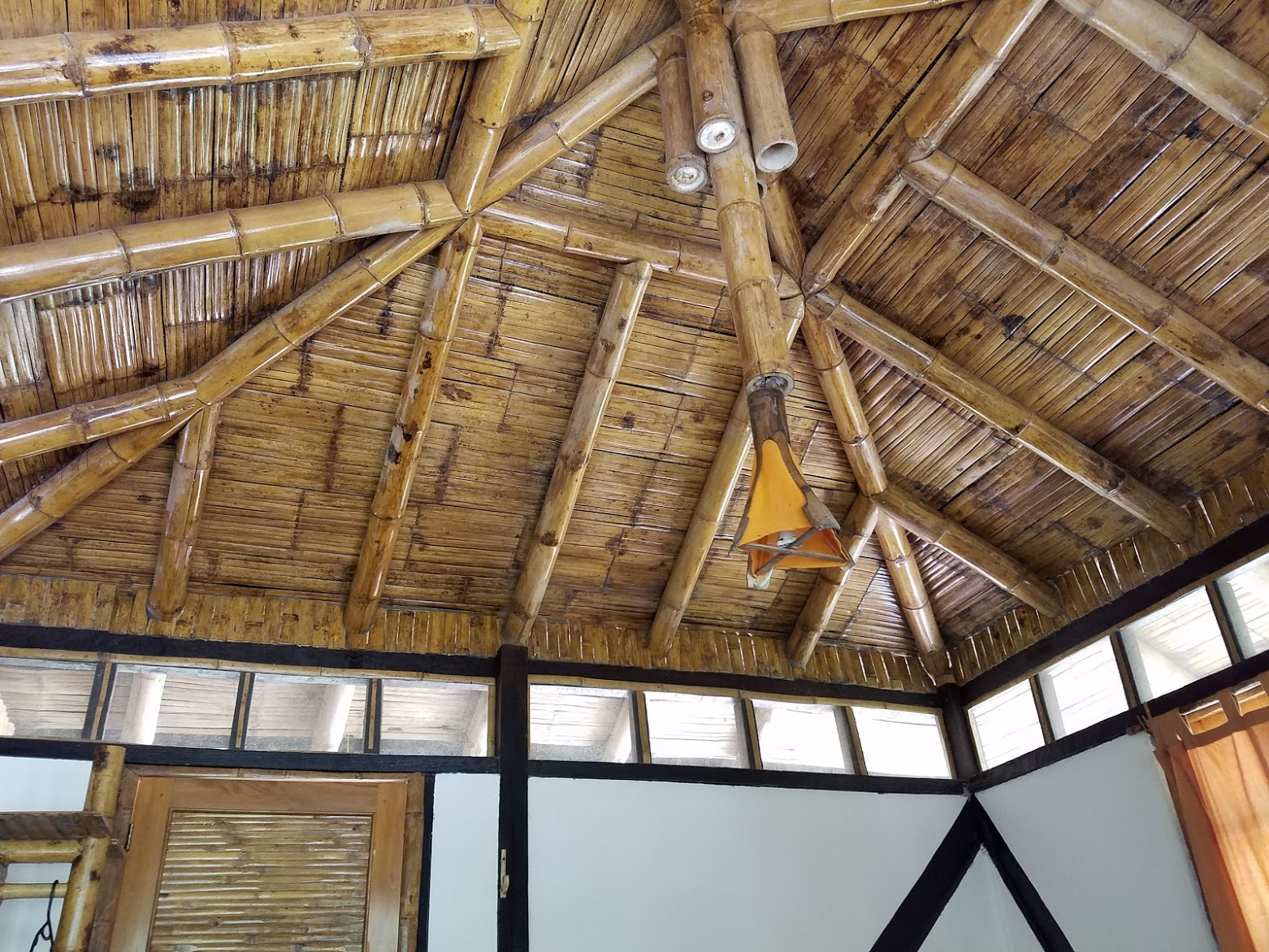
And the ceiling in our room, unlike any other ceiling I have ever slept under:


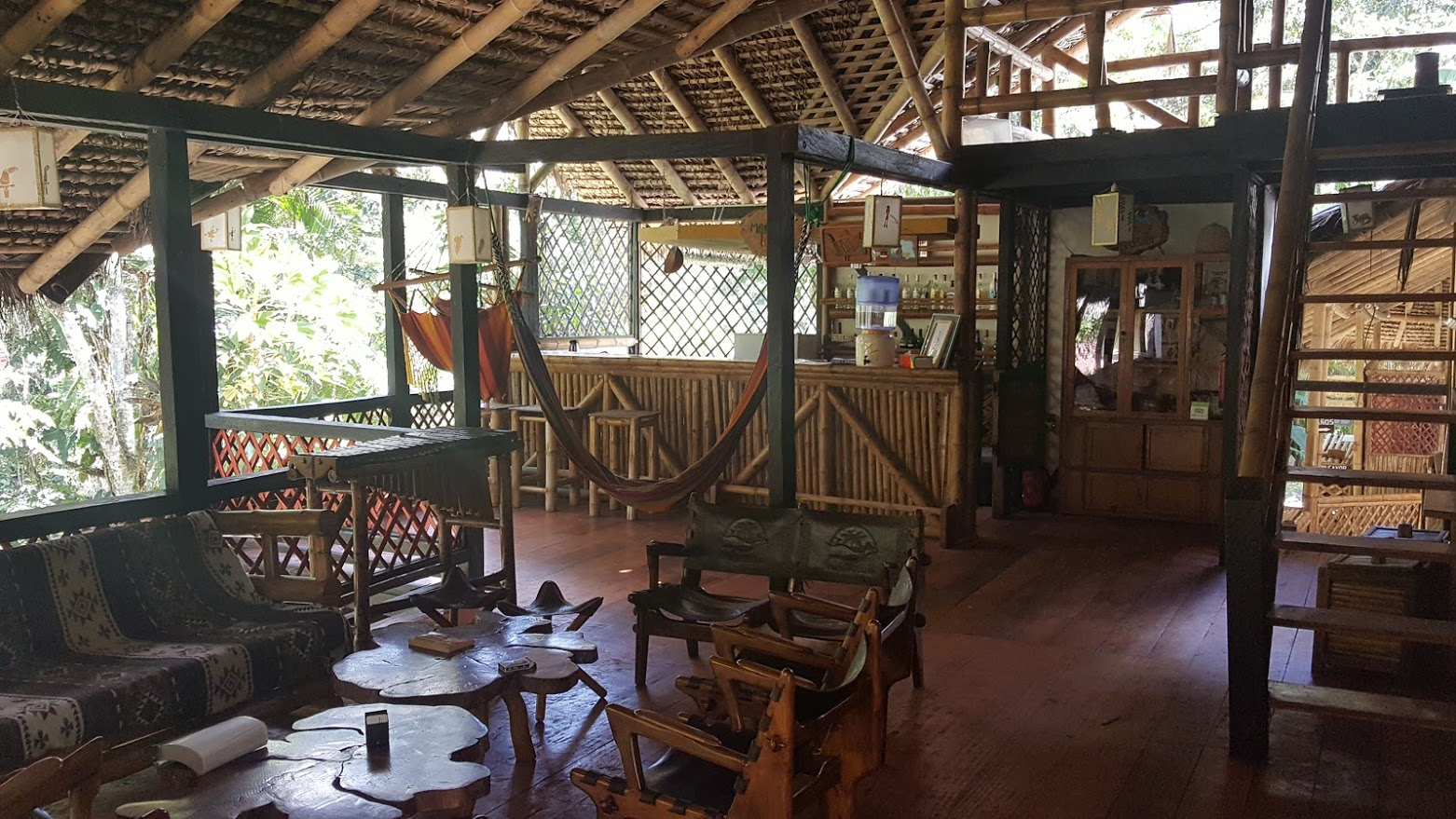
There was also a second floor for lounging and relaxation:


Our days started early, at 6:15 am, with a strong cup of Ecuadorian coffee made of beans grown on the premises. After coffee we went on a short birdwatching hike, and enjoyed seeing the many birds our guide located. We then feasted on a tasty breakfast, followed by a morning hike. There was also an afternoon hike after lunch, and one day we went on a night hike after dinner, and realized that the forest appears completely different after dark, including the animals one can spot!


This is what the secondary cloud forest looks like:


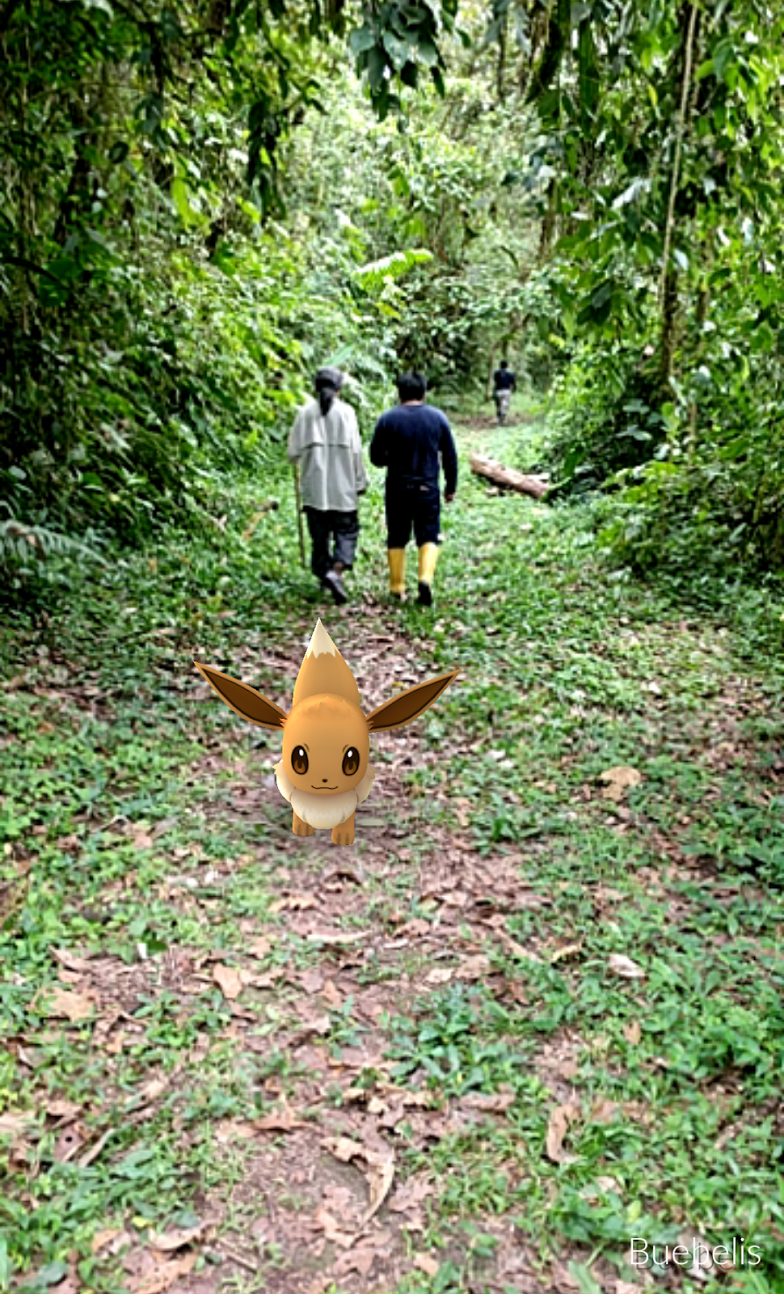
And, yes, there were Pokemons there, too:


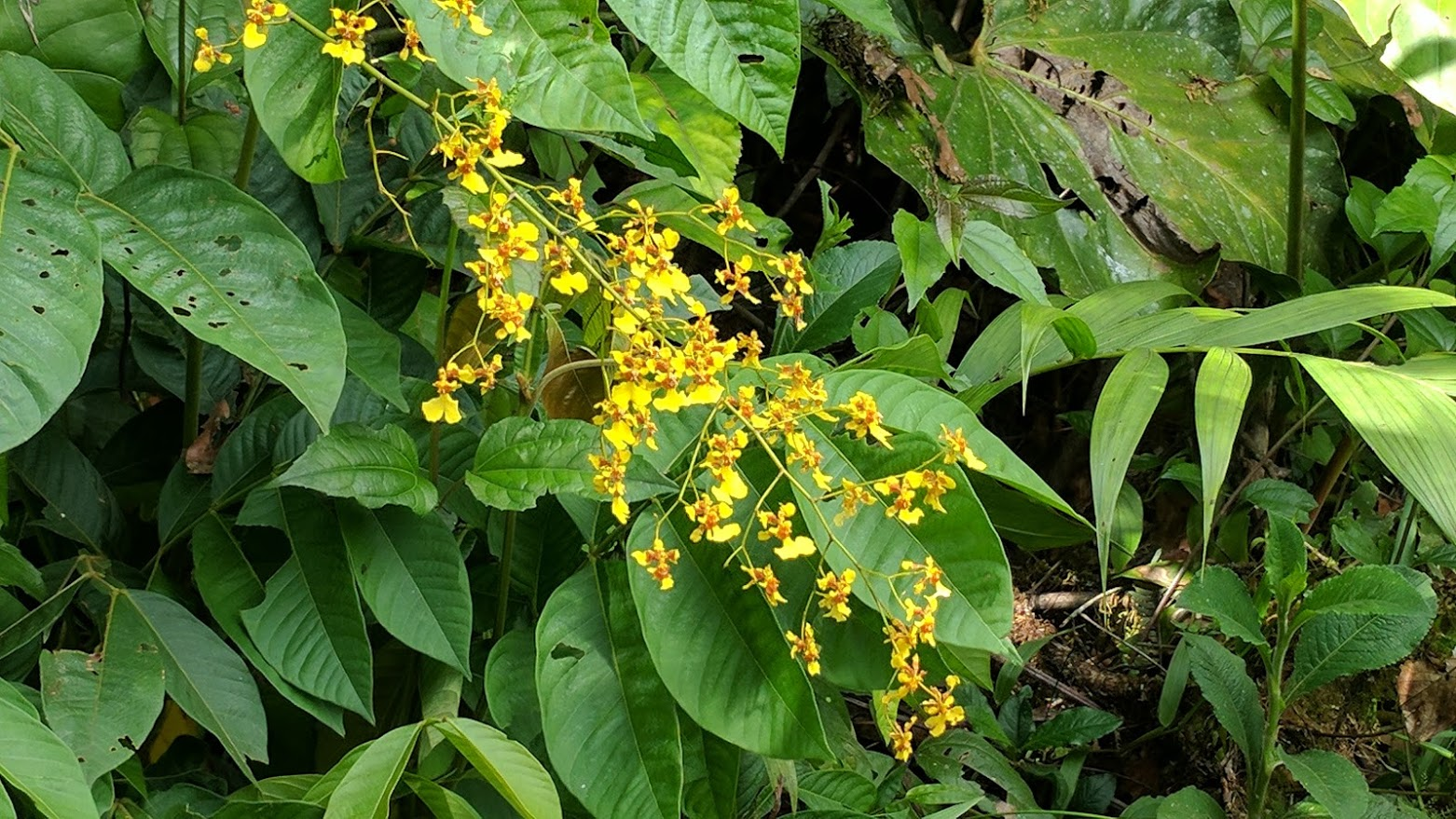
The Maquipucuna  cloud forest was one of the first nature reserves in Ecuador, and is now home to nearly 400 species of birds, and a vast variety of plants, including hundreds of orchids (and other beautiful flowers!).


Even when I couldn’t go hiking, therefore, all I had to do was sit on the terrace and wait. Sooner or later an amazing bird showed up:


Our stay at the Lodge was memorable not only because of the surroundings and nature, but also because of the human interactions we experienced. We met a crew of dedicated local guides; a very nice family from Canada, and a two-person documentary crew from the BBC, who came to Maquipucuna to film the bears (one of the two used to work for National Geographic, and hearing about some of his adventures was very interesting!). We also met Santiago, Ecuador's leading bear researcher and conservationist, who gave an interesting presentation about the bears; and Nancy, an Entomologist (bug expert) volunteer, who has a degree in introducing bugs to the general population, and who also gave an interesting presentation about bugs (and was then forced by popular demand to give yet a second one).  This is Nancy showing us a spectacular bug she caught:


Nancy helps run a website that answeres bug questions, so if you are interested in bugs check it out: https://askentomologists.com
Friday, January 13, 2017

The Galapagos Islands

What brought us to Ecuador in the first place was my years-long desire to see the Galapagos Islands. After extensive reading and consulting with friends who recently traveled there, we settled on a four-night, five-day cruise to the Southern Islands. We chose to go on the biggest boat possible, the Galapagos Legend, both because we hoped it would reduce the chance of sea sickness (it did!), and because we thought it might offer more activities for the kids (did that, too :-)).

Despite thinking I knew what to expect, the surprises started coming while we were still on the plane from Quito to San Cristobal:
The first unexpected occurrence was an announcement by the crew that they will spray us with disinfectant. This is part of an attempt to protect the islands from invasive pathogens. In the end, they sprayed only the overhead compartments, but it still felt a bit weird. I don’t recall ever being disinfected on a plane before!

When we started landing, all I could see from the window was the blue of the ocean, getting closer, and closer, and closer yet… Right when I felt the first pang of panic the wheels touched down on land. The plane managed to stop shortly before the runway ended, a very short distance from where the ocean started again…


We deplaned on San Cristobal, which--after a ten-hour trip from San Francisco to Quito, followed by an additional four-hour flight from Quito--felt like the end of the world. Yet, when we arrived at the airport my son was thrilled to find … Pokemons (!!) on the Islands. WHAT THE?????? They were all over the place, it later turned out, to his great joy and my annoyance…

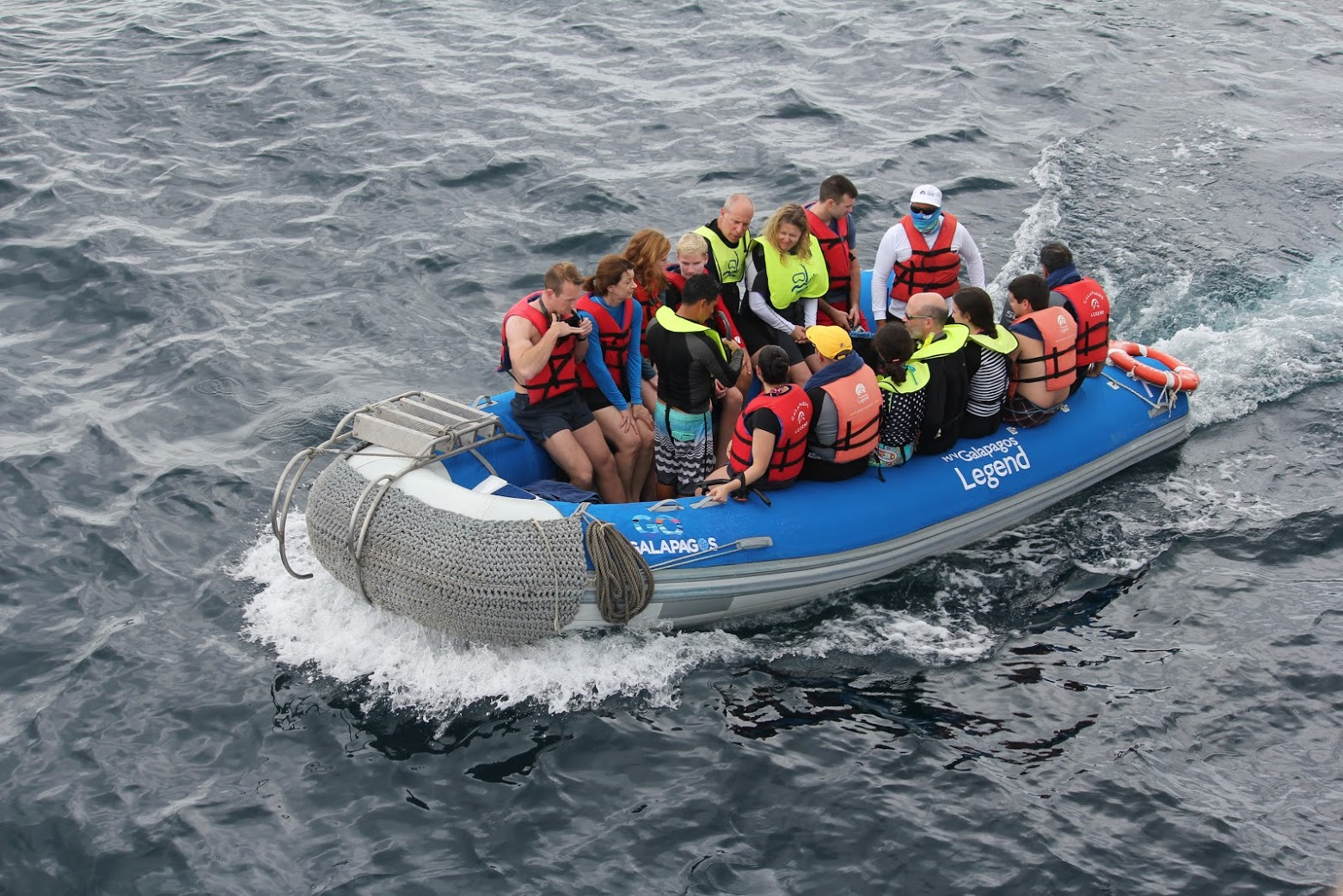
On the short bus-ride from the airport to the pier I imagined myself walking leisurely onto the boat, only to find ... a rubber zodiac waiting with a big pile of life vests.


A few exciting minutes of holding tight passed before the mothership came to view. But then I wondered if I would have to climb up the flimsy-looking rope-ladder…


I didn’t have to. The other side of the boat revealed a real door :-):


By the end of the trip I was a pro at getting on and off zodiacs, and doing both dry and wet shore landings (the later of which called for getting off the boat into shallow water).

On our tour of San Cristobal I wondered what happened to the trees, and why they were all dead:


Turned out they weren’t. They were very much alive, just conserving water while waiting for the rains. In a couple of weeks, we were promised, they will be all green.

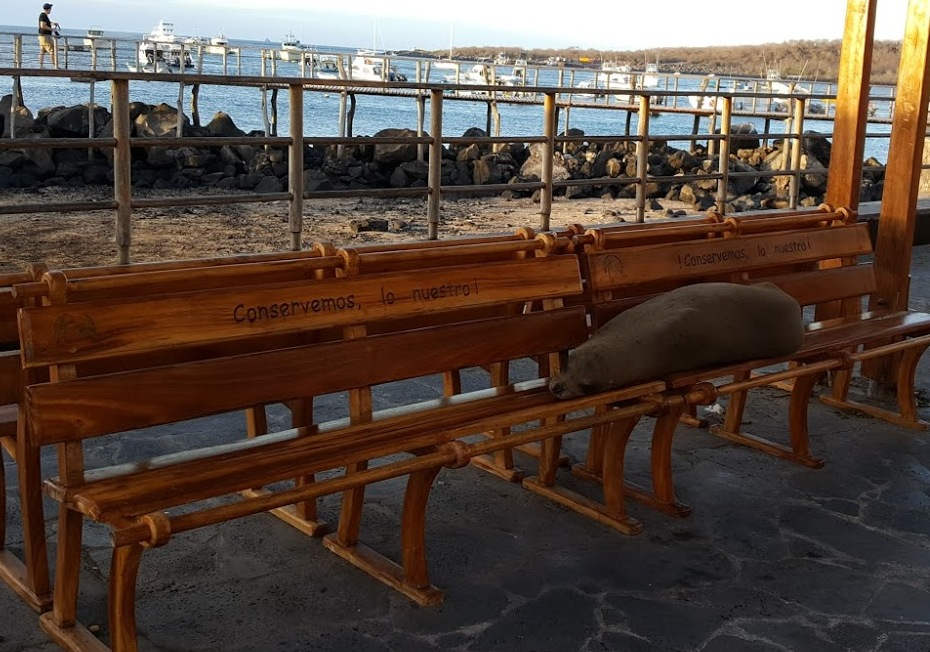
San Cristobal was where we saw our first sea lion:


And first crabs:


We then sailed to uninhabited Espanola, where we started to feel the real magic of the Galapagos. There is the magic of life itself, in the form of both flora and fauna, clinging desperately to a harsh, inhospitable environment. It was truly amazing to see how much life a flat, infertile volcanic island could support.

There were hundreds of sea lions of all ages sprawled everywhere, the representatives of the mammal family:


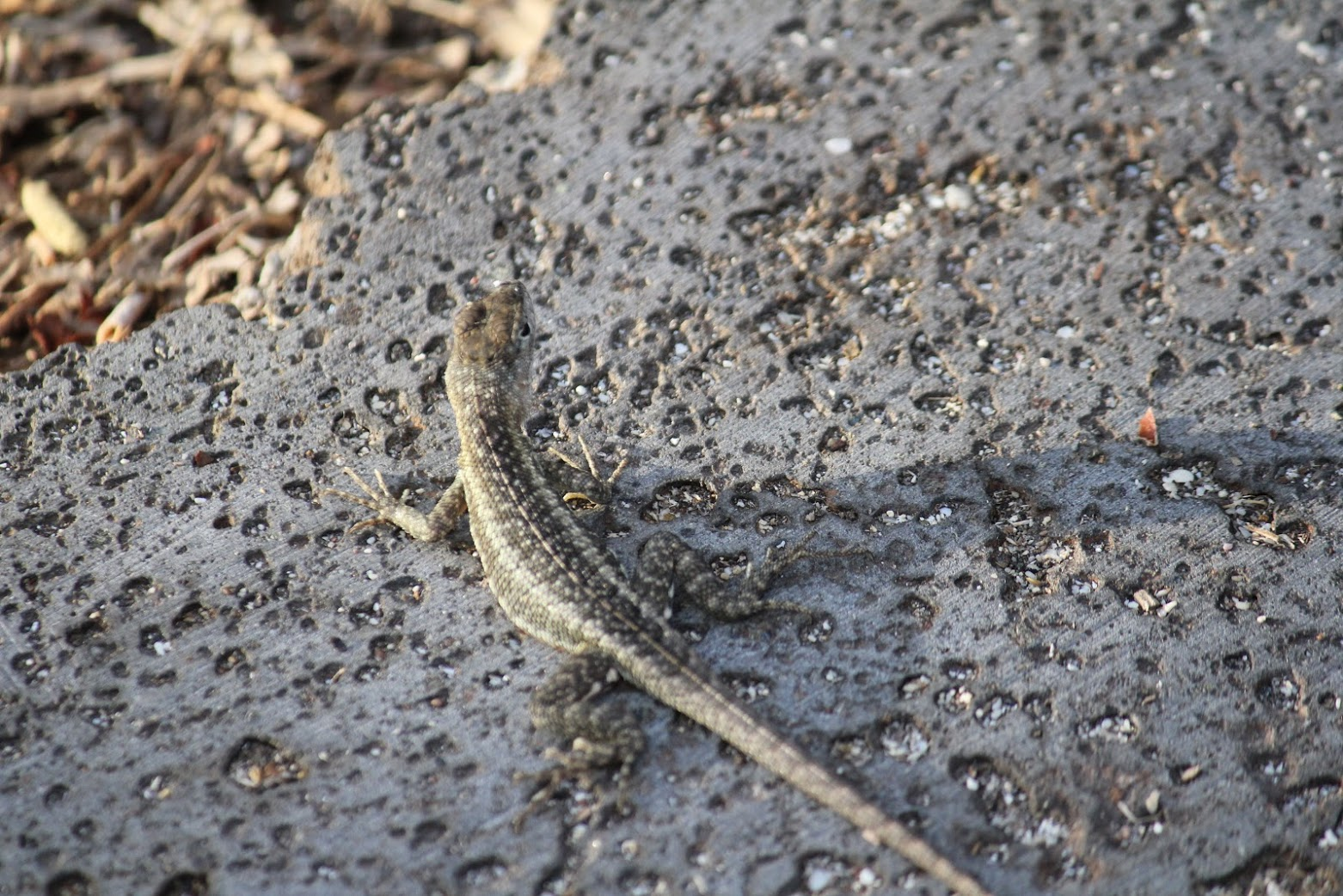
Lizards were represented by small Lava Lizards:


By the much bigger Marine iguanas:


And, in the ocean, by sea turtles:


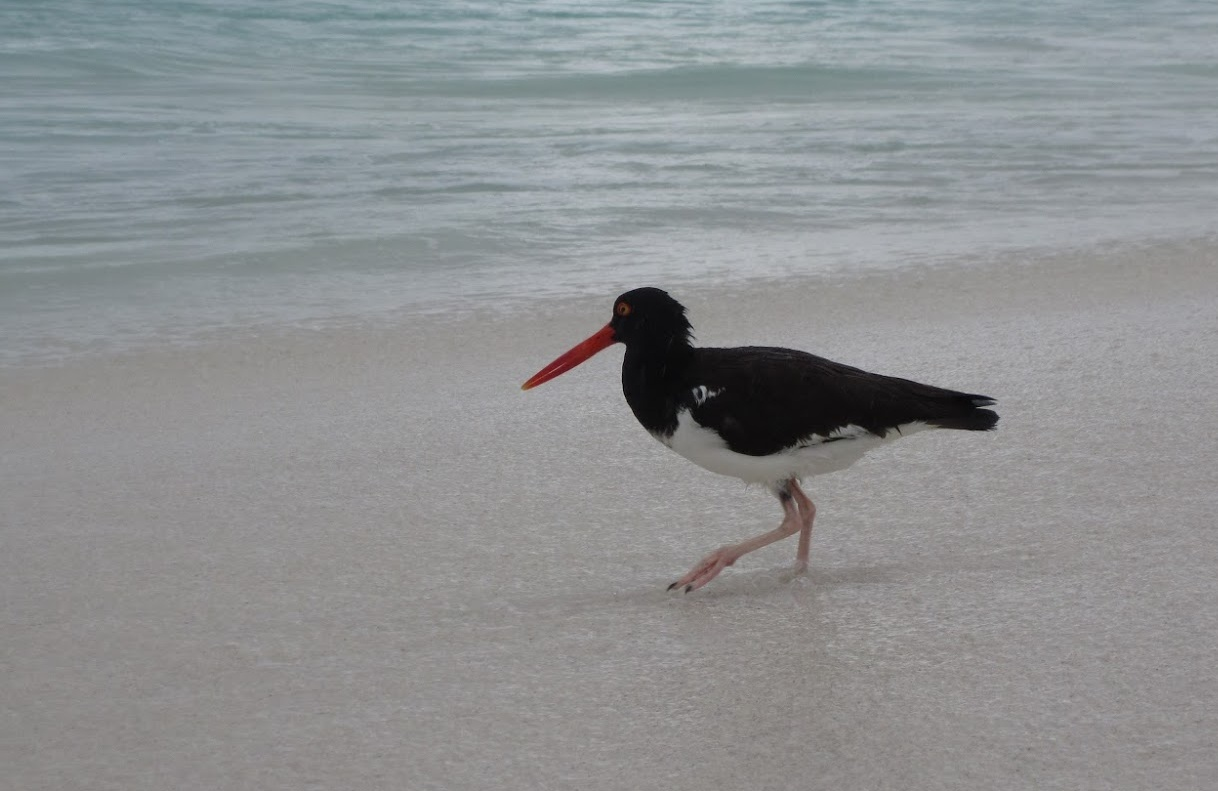
The majority of Galapagos inhabitants are of the bird family, however. We saw seabirds:


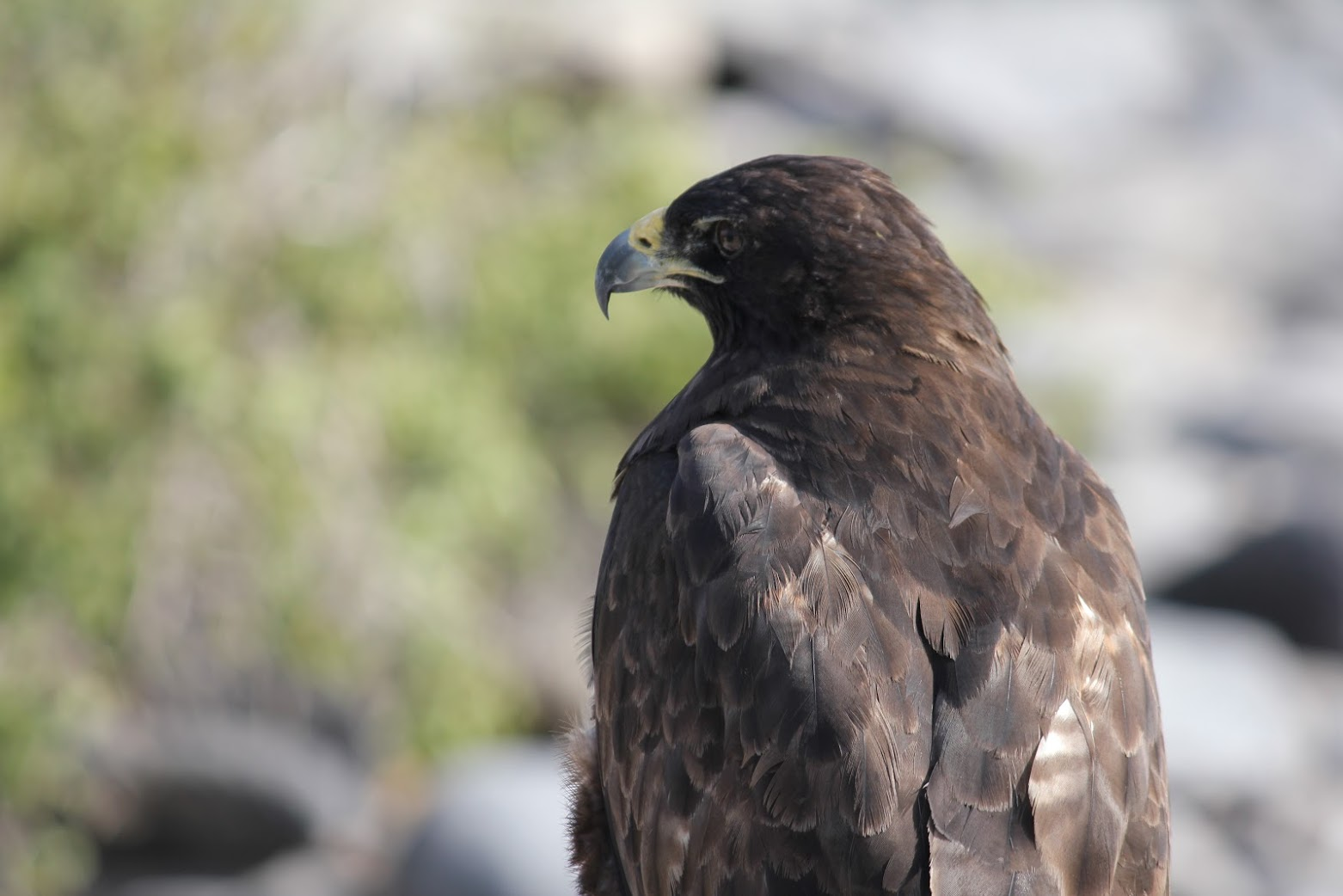
A beautiful hawk:


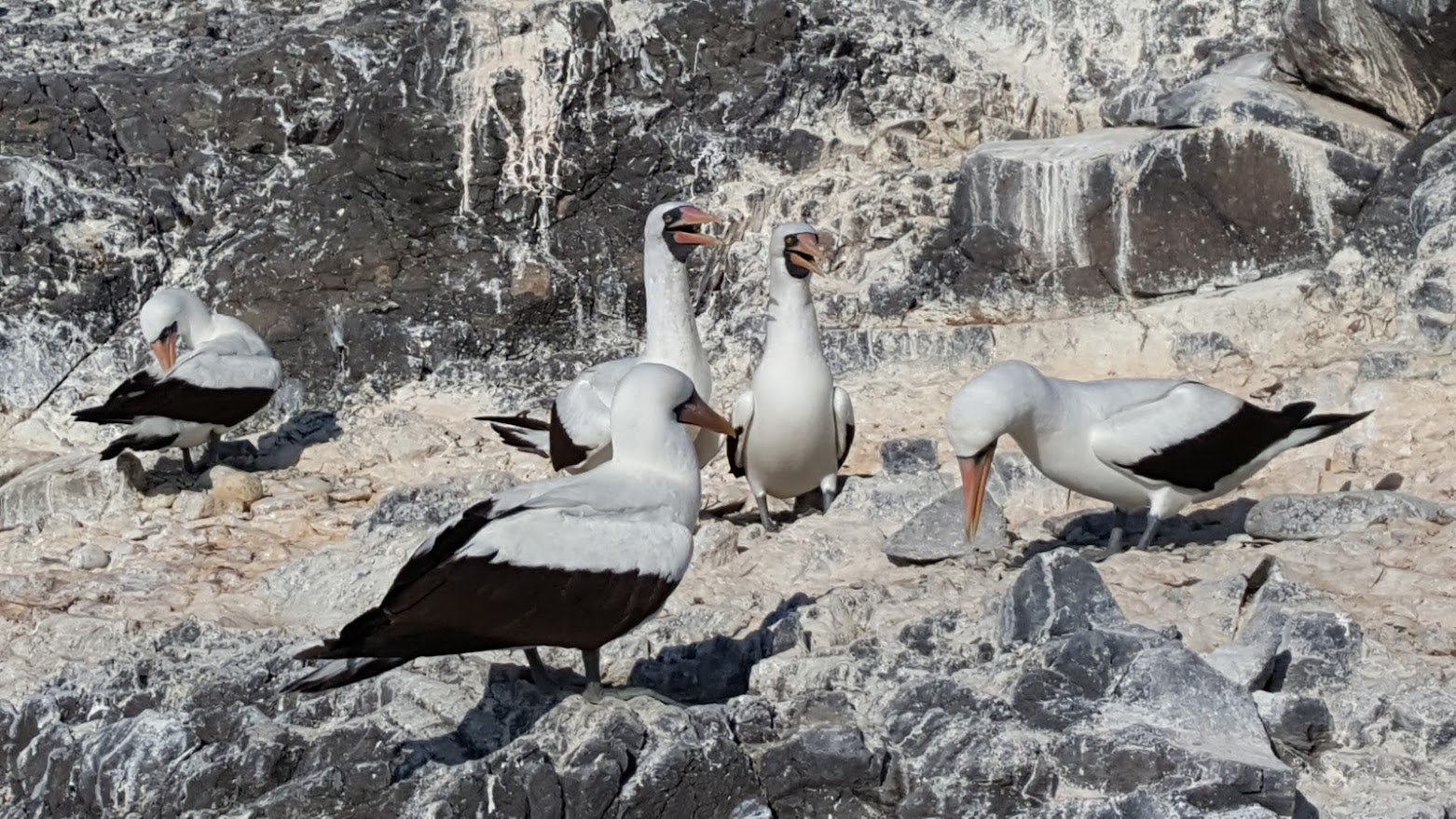
Nazca Boobies, some with chicks:


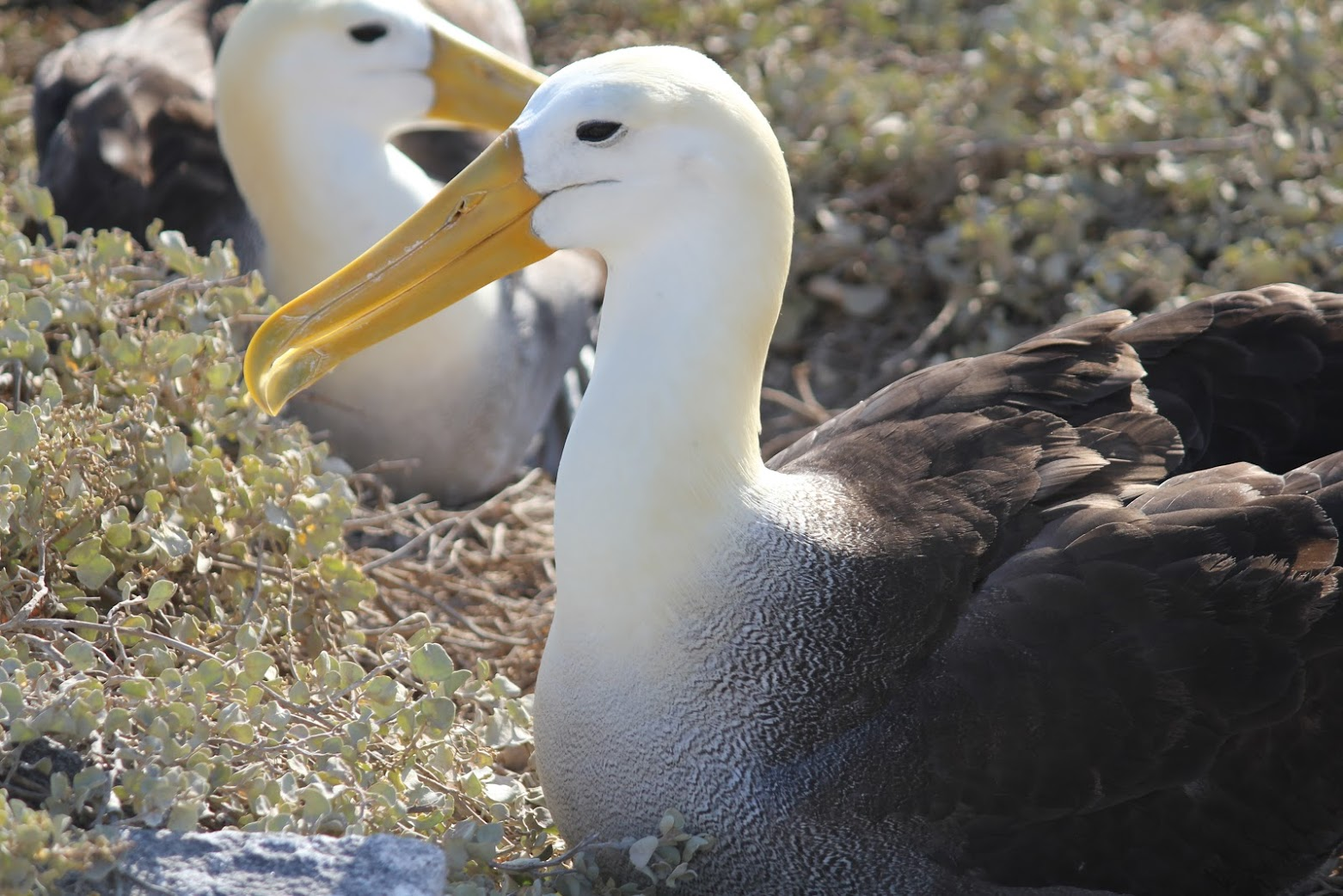
Albatrosses, a few of which were engaged in their courting dance:


A fly catcher:


And a beautiful Finch:


There is also powerful magic that comes from being very close to wildlife that is not afraid of humans. We were supposed to stay a couple of meters away from the animals, but the animals, it turned out, were not aware of that rule. They seemed just as curious about us as we were about them. Perhaps they have never seen anything like my Galapagos hairdue:


Then there is, of course, the magic of life adaptability, which struck Darwin when he first visited the islands almost two hundred years ago, leading him to come up with his evolution theory. This becomes more apparent after visiting more than one island.

The last kind of magic, to me, came in the form of death that is very much a part of life. There were carcasses all over, and they were all integrated back into the environment by the weather, other animals and by decomposition:


The next day, on Floreana, we learned about the history of the first crazy German settlers and the mystery surrounding them, and were super excited to see our first Blue-footed Boobie:


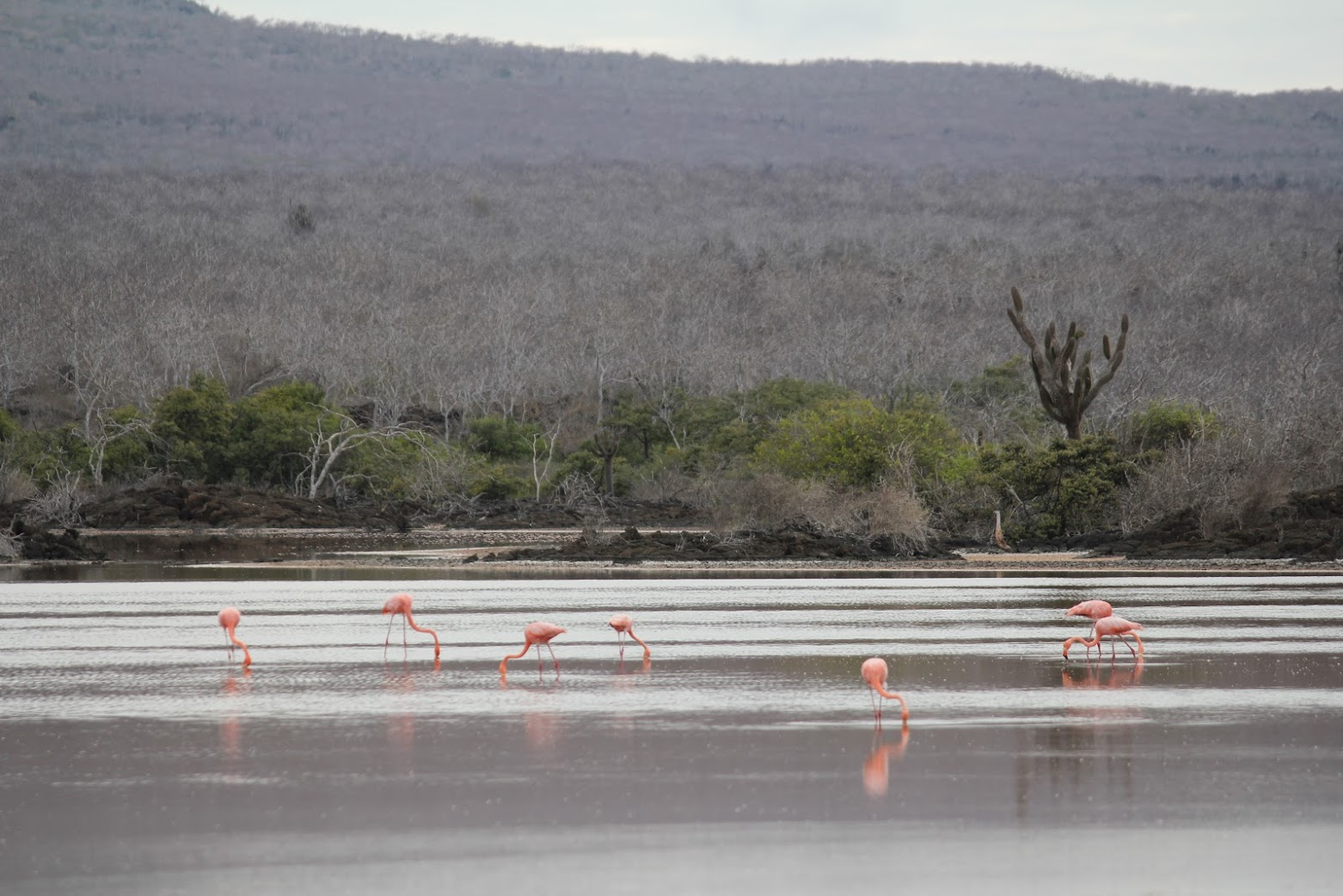
We also saw a few flamingos from afar:


Before we left we made sure to deposit letters in the local “post office.” Time will tell if they will ever arrive:


On Santa Cruz Island, the least-wild of them all, we saw the famed giant Galapagos land tortoises (actually, each island used to have its own unique kind, but some were extinct after being collected for food by early Western sailors):


We visited the Darwin Center, where we saw our only land iguana:


We left the Galapagos with a heavy heart. We felt like we could have stayed much longer, and wished we could have seen the reminder of the islands. A reason to come back, perhaps?

Friday, January 6, 2017

Inspiration: Ecuador

My family and I have been traveling a lot, but our trip to Ecuador this winter break was our first-ever foray to South America. The trip lasted only eleven days (not including travel), but felt a lot longer, being packed as it was with an array of experiences. I find it impossible to summarize everything into one post, so today I will share only my impressions of Quito, the capital, which we visited on our first day, and to which we kept returning.

We landed in Quito in the wee hours of the night. I was surprised (and maybe just a little bit disappointed) to find a brand-new, top-notch modern airport, that looked just like any other airport anywhere else in the world. We took a cab to the old part of town, driving through dark, deserted and foggy roads. When we arrived at our hotel, utterly exhausted, we barely noticed our surroundings and went straight to bed.

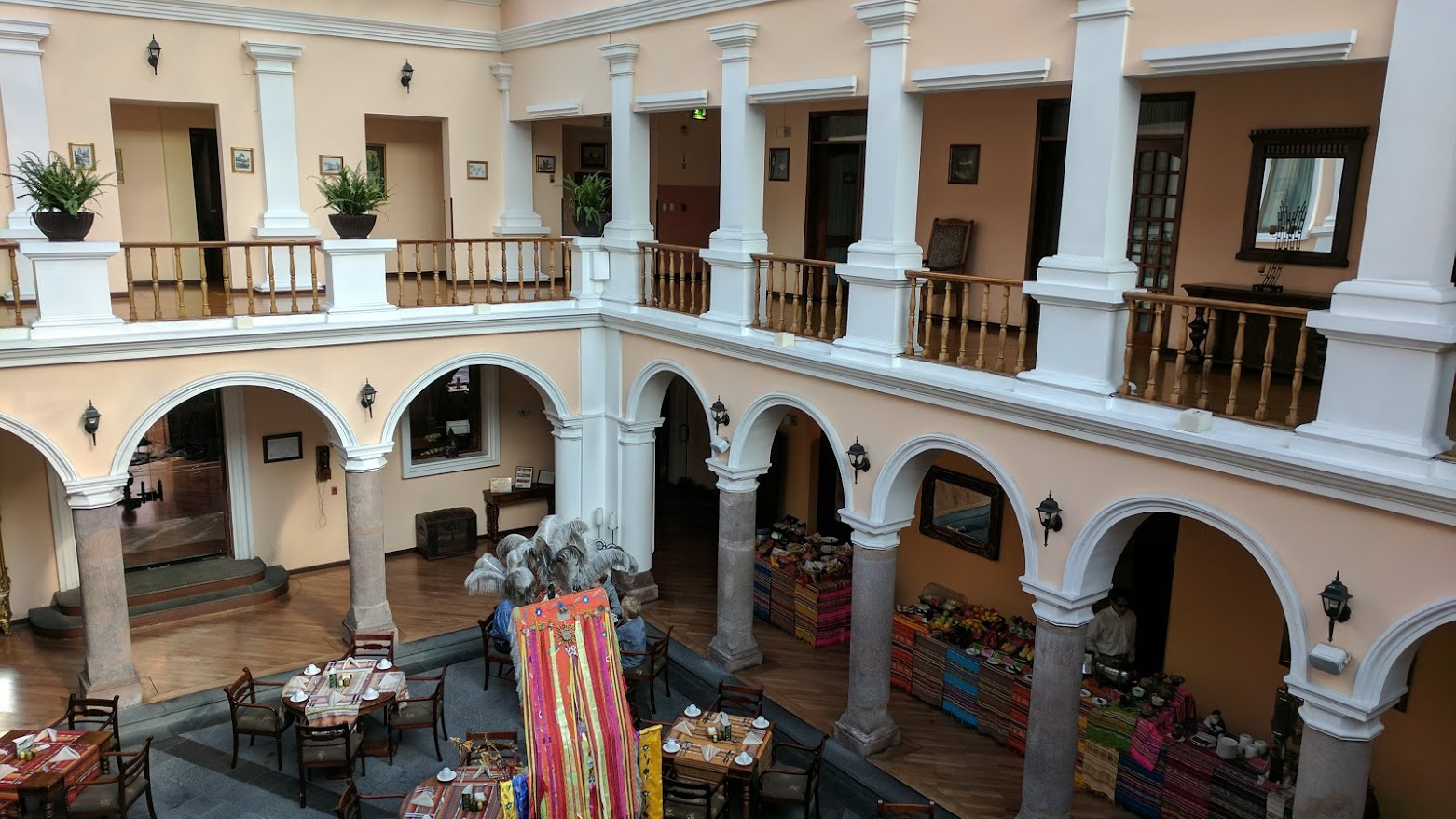
At 9,350 feet above sea level, Quito is the highest capital in the world. Aware of my sensitivity to altitude, I wasn’t surprised to wake up in the morning with a searing headache (luckily ibuprofen worked!). In daylight, we were able to see just how glorious our hotel was, and fully appreciate the little details. A beautifully-restored sixteenth-century Spanish colonial house, it was seeped with atmosphere. Eating breakfast at the dining hall (see below) was such a pleasant experience that I wished it could last forever...


The kids were full of energy, however, and eager to explore. And so, I tore myself away from the Ecuadorian coffee and delicious croissants and ventured out.

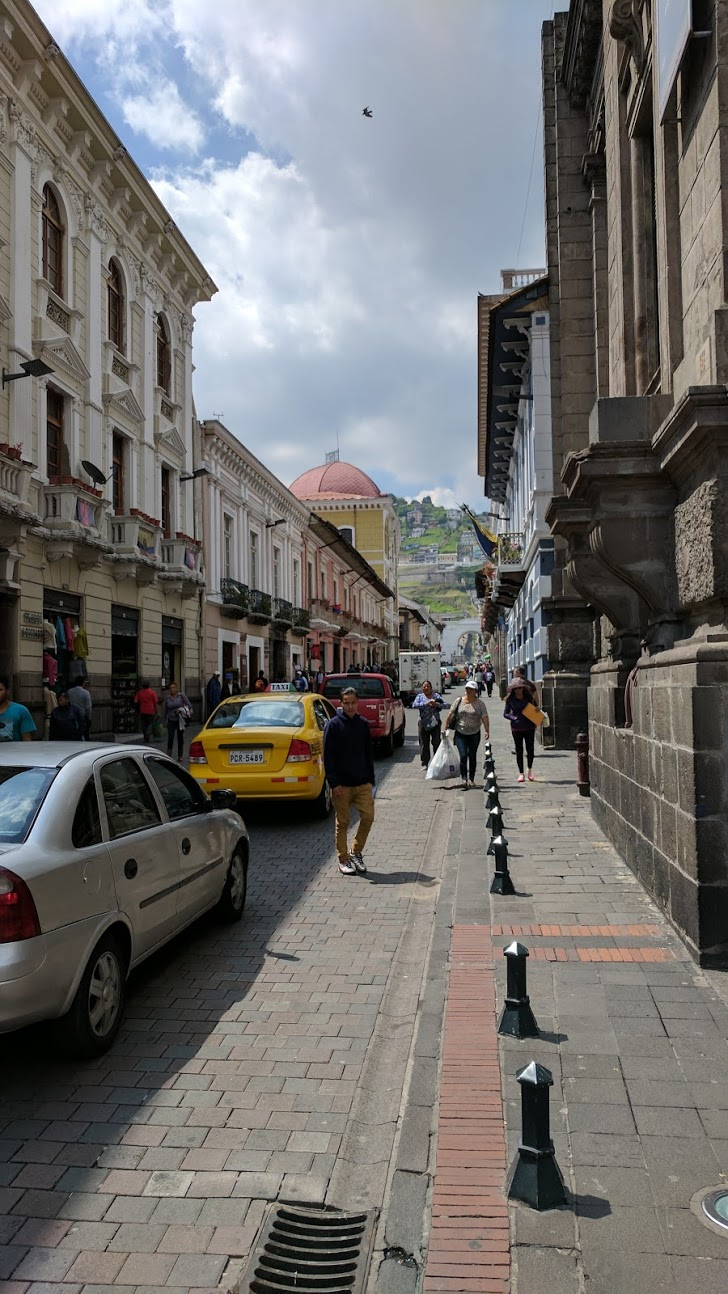
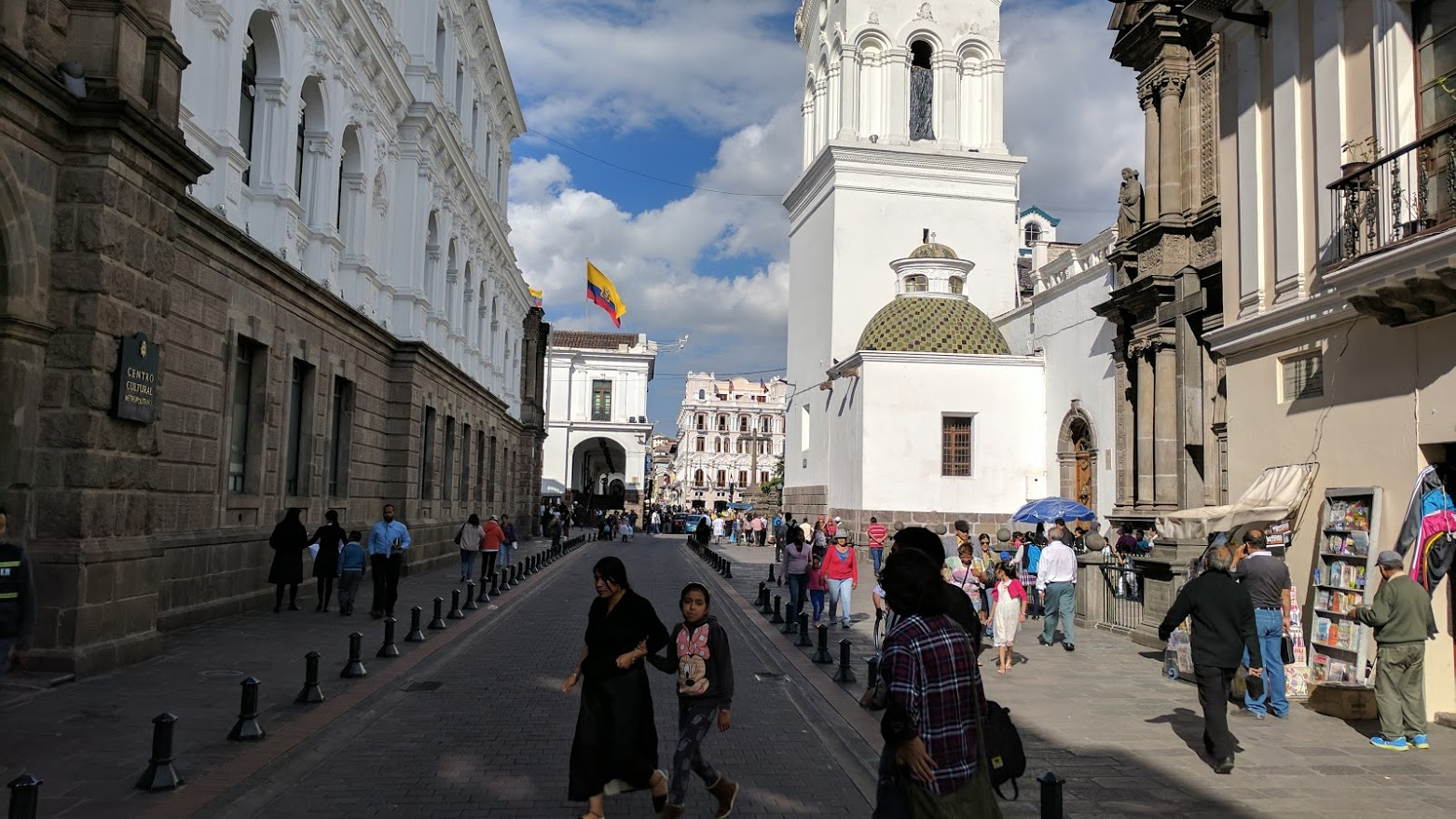
The old city of Quito was one of the first cities chosen as a UNESCO World Heritage Site. It is also the best preserved colonial city in the Americas. My expectations, therefore, were sky high. Yet, my first impression was somewhat disappointing. The buildings on both sides of the narrow streets were old and pretty, true, but they consisted of mostly high walls interrupted by small doors and windows. Even early in the morning they were already packed with cars and people.


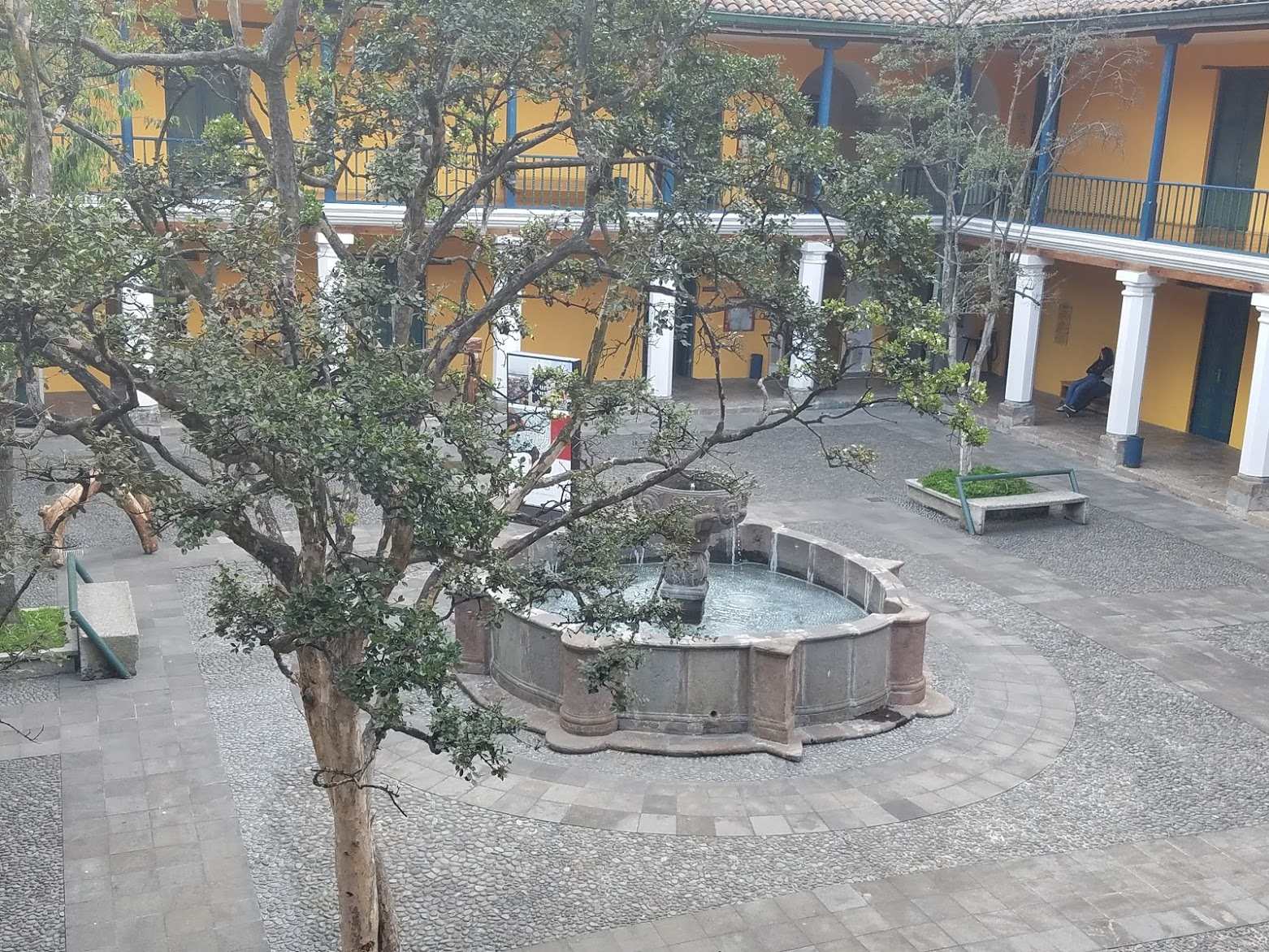
Only once we started visiting some of the numerous churches and museums did I finally understand the city’s secret: the non-distinct, high walls and small doors hide spectacular inner-courtyards and former palaces. Much of the beauty of this city, it turned out, like so much else in life, lies within.

We visited “La Compañia” Church, heavily decorated with  lavish gold-leaf-covered motifs. We then went to a few museums, like the Museo de la Ciudad, housed in a former hospital, which chronicled the city’s daily life throughout the centuries:


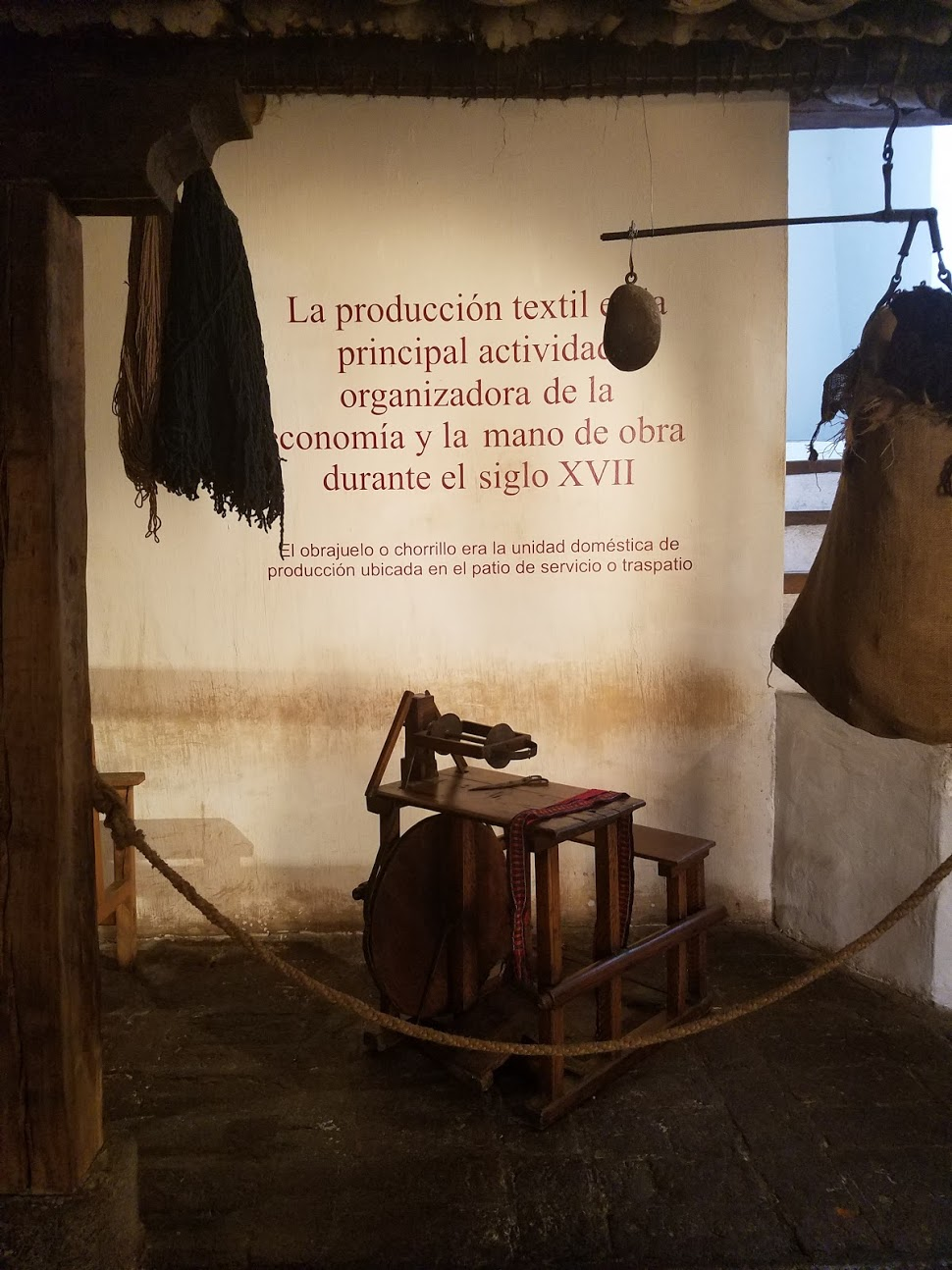
There, we first learned about the complex relations local people have historically had with textiles. The indigenous people, it turned out, were good weavers before the Inca and Spanish conquests, but were forced into harsh, cruel weaving-servitude by their conquerors. Thus, the art of weaving was tinted by the bitterness and brutality of slavery.


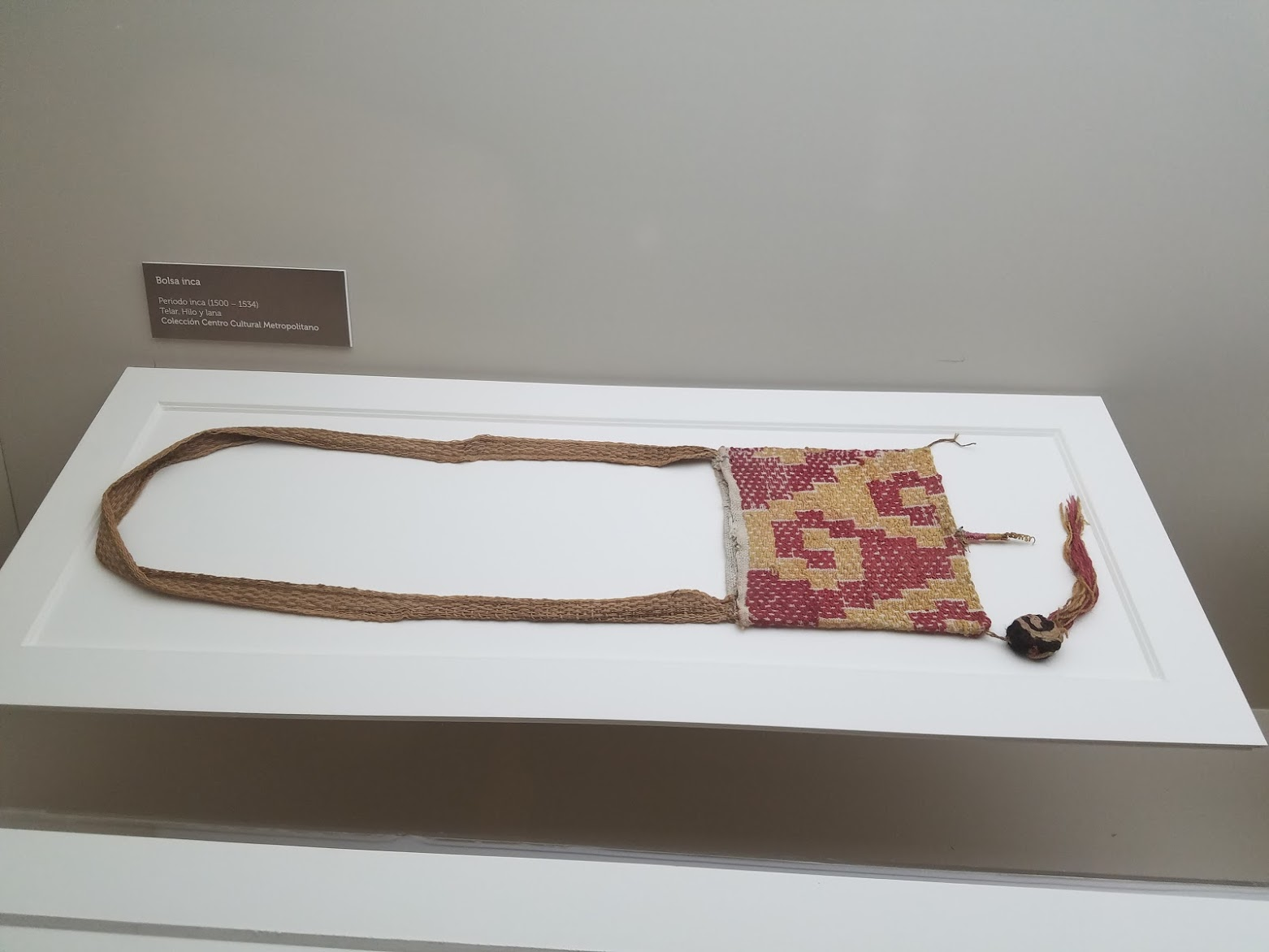
Still, in one of the display cabinets I was excited to find a 500-year-old sling that looked incredibly modern:


In another museum I was happy to encounter an old sewing/crafts table:


And in the house of Maria Augusta Urrutia--a 19th-century home of a noblewoman now turned museum--I was even more thrilled (and a bit jealous) to find an entire sewing room, fitted with several sewing machines and lavishly decorated (alas, picture-taking was forbidden).

Further wandering brought us to some beautiful streets, impressive architecture, and nice vistas. Not all of the city’s beauty was hidden after all. This, for example, is the Church of St. Francis:


And a street close to it:


This is a nice view of the monument of the Madonna on El Panecillo hill:


Old Quito was packed-full of fabric and yarn stores (that put the humble offering of such stores in my hometown to shame), although most of their inventory seemed to have been imported from China. I took their presence to be an indication to the craftiness of the local population.

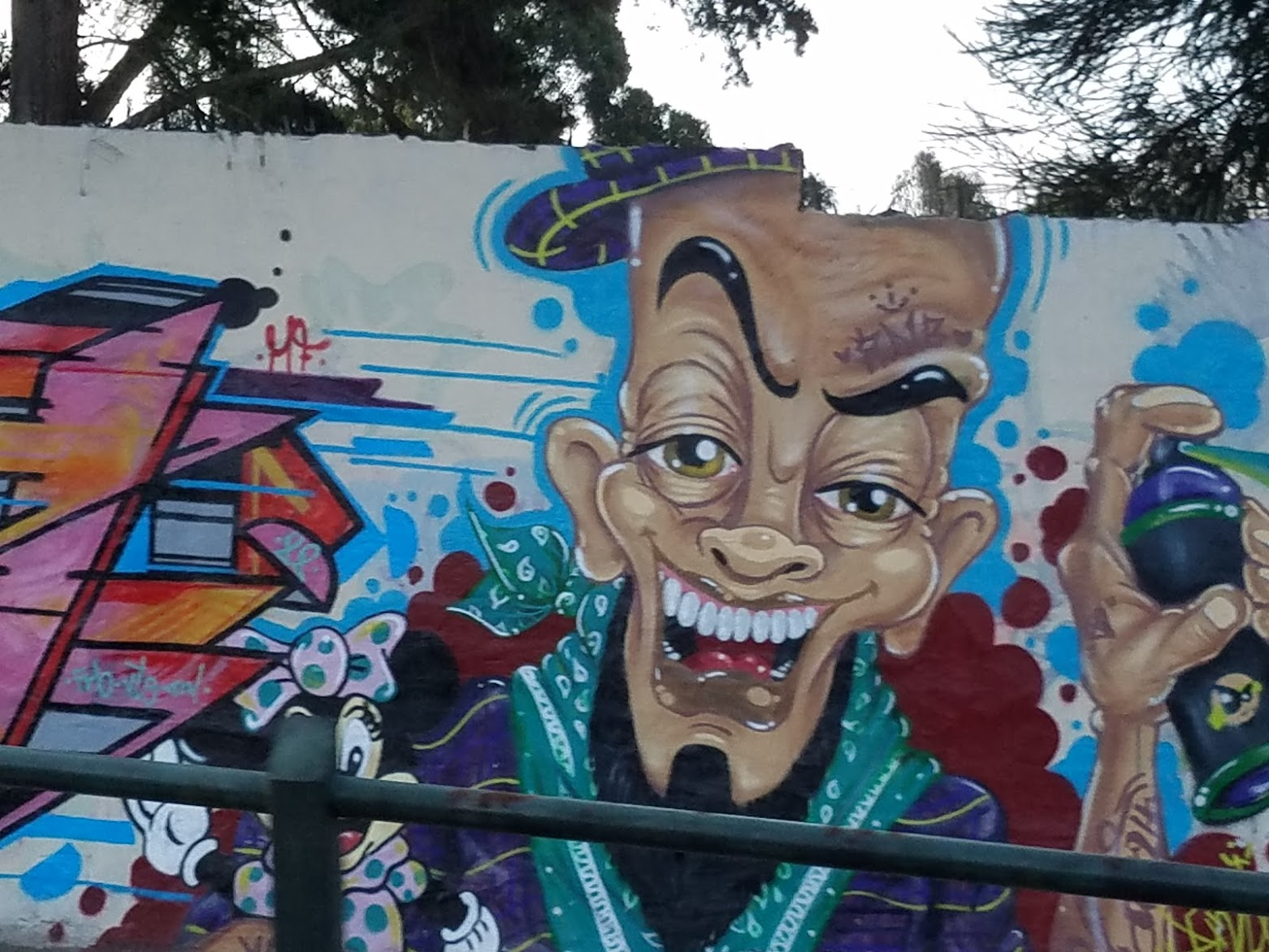
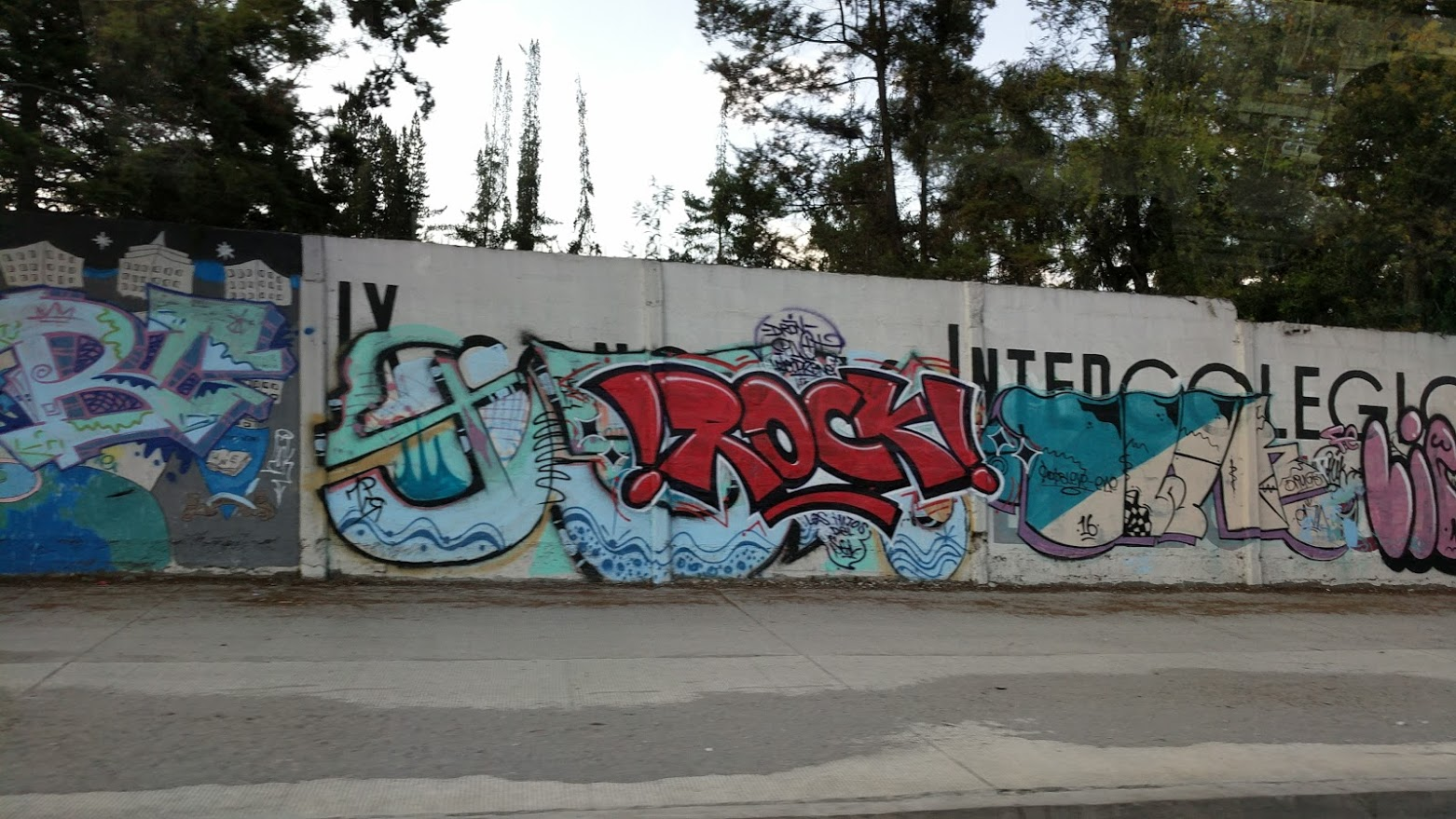
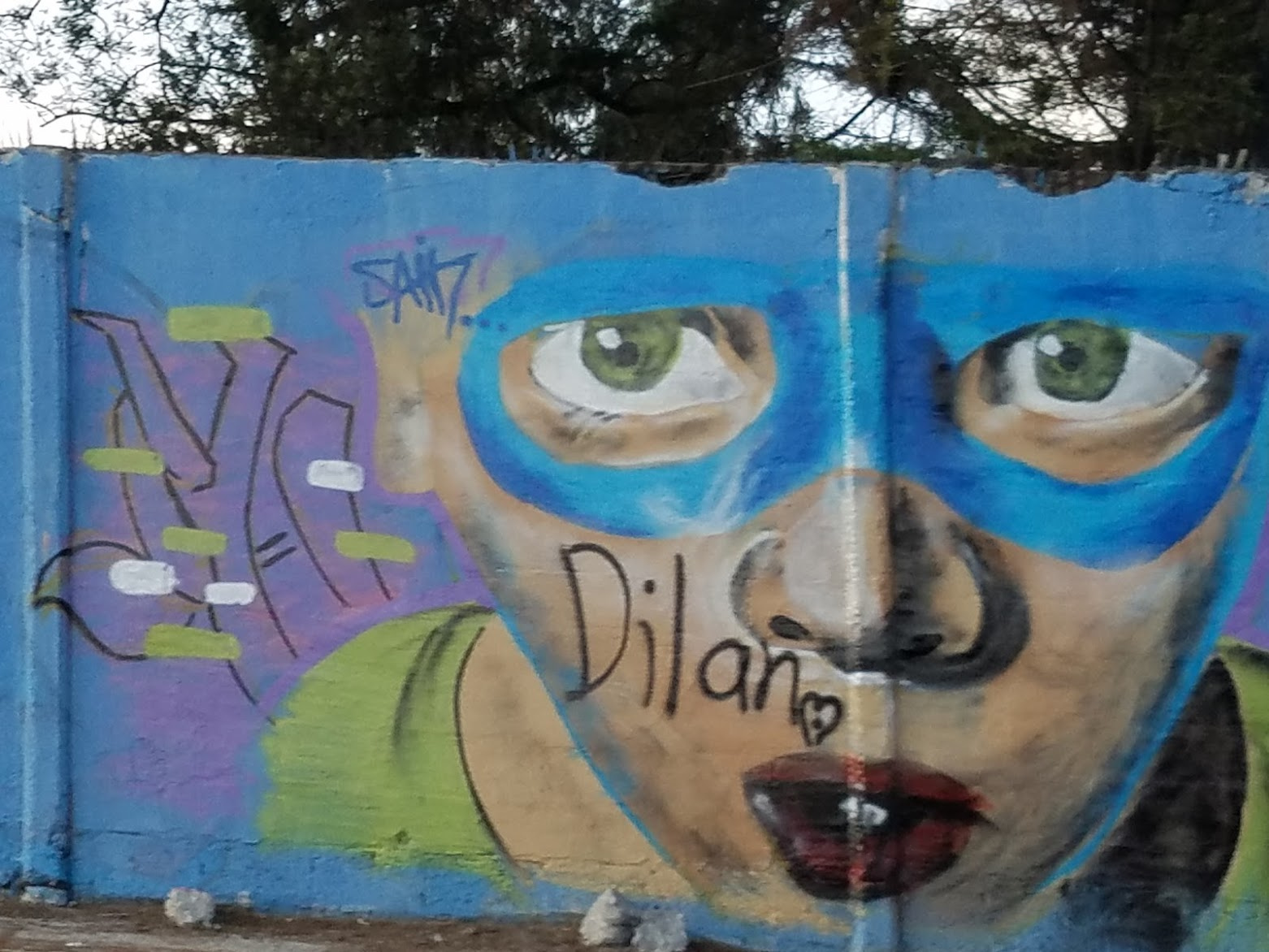
When we drove around, I was struck by the abundance of graffiti. It seemed that every flat surface was an irresistible blank canvas for graffiti artists, calligraphers … or maybe just plain vandals?


Another surprise were the hundreds of eucalyptus trees, which I did not expect in this part of the world. I later learned these were brought to Ecuador to dry swamps, but adjusted so well that they soon spread like wildfire, competing for resources with local flora. Apparently they are now a pest.

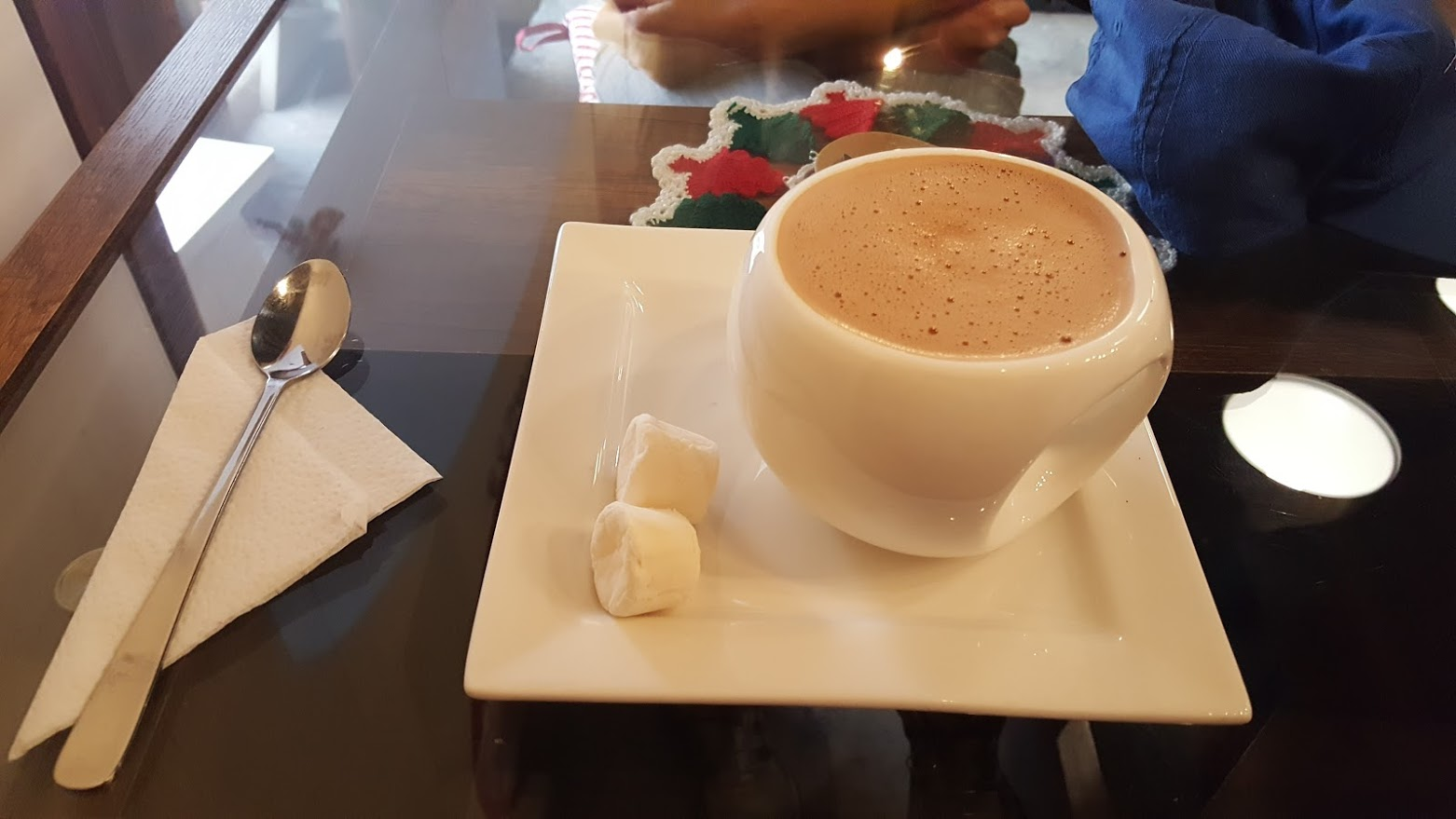
A fun Quito discovery was the Pacari chocolate store, where we enjoyed a decadent afternoon cup of hot chocolate, and loaded up on a variety of amazing Ecuadorian bars.


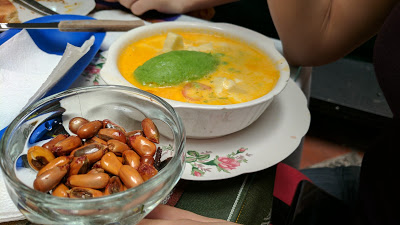
An additional gastronomical revelation was that of Locro de Papa, the tasty Ecuadorian potato soup. We later realized it tastes slightly different in every restaurant, but somehow always hits the spot. This is definitely a dish I plan to adopt and add to my family’s winter-soup rotation.


For those of you curious to try it, here is the recipe, one of many I found online:

  • 1 large onion, chopped
  • 2 cloves garlic, minced
  • 1 tablespoon vegetable oil
  • 2 tablespoons butter
  • 1 tablespoons aji amarillo paste (optional)
  • 1 teaspoon cumin
  • 2 pounds yellow potatoes
  • 2 cups chicken stock (I will replace this with vegetable stock)
  • 2 cups water
  • 1/2 cup cream
  • 1/2 cup milk
  • 1 egg
  • 5 ounces monterey jack cheese, grated
  • Diced avocado for garnish (optional but highly recommended)
  • Crumbled queso fresco cheese, for garnish (optional)
  • Aji sauce (optional)

  1. Melt 1 tablespoon butter and 1 tablespoon vegetable oil in a heavy soup pot. Add the chopped onion and garlic, and optional aji amarillo paste. Sauté onions over low heat until soft.
  2. While the onions are cooking, peel the potatoes and cut into 1 inch cubes. Set aside.
  3. When the onions are soft and golden, add 1 cup of stock. Remove mixture to a blender and process until you have a smooth puree. Set aside.
  4. Add the potatoes to the soup pot along with 1 tablespoon butter. Sauté until potatoes are fragrant and just start to turn golden.
  5. Add onion liquid back to the pot with the potatoes, along with another cup of stock and 2 cups of water. Bring liquid to a simmer, season with salt and pepper to taste, and cook potatoes until they are very tender, about 20-25 minutes.
  6. Mash the potatoes thoroughly in the pot with a potato masher.
  7. In a small bowl, whisk the egg together with the cream and milk. Whisk a cup of the hot soup mixture into the milk and cream, then add it all to the soup, whisking to blend.
  8. Whisk in the grated cheese until melted. Season soup with salt and pepper to taste.
  9. Serve soup hot, garnished with chopped avocado and crumbled queso fresco cheese.

Enjoy!